

The Week Ahead
May 11, 2026

Return to Full Calendar
Bainbridge Island has long held a distinctive place in the Pacific Northwest imagination. Just a short ferry ride from Seattle, the island is often celebrated for its natural beauty, shoreline views, and small-town pace. Yet what gives Bainbridge Island lasting character goes beyond scenery. It is a community shaped by artists, farmers, educators, entrepreneurs, and families whose shared history has created a culture that values creativity, civic life, and connection. That identity is often most visible not in landmarks, but in the events and gatherings that bring people together throughout the year.
At the center of much of that cultural life is Bainbridge Island Museum of Art, widely known as BIMA. More than a traditional museum, BIMA has become one of the island’s most important community institutions. It serves as a place where visual art, education, local history, and public programming intersect in an accessible and welcoming setting. Rather than operating solely as a gallery space, BIMA regularly functions as a civic gathering point—hosting family programs, cultural celebrations, lectures, performances, and conversations that reflect the diverse interests of Bainbridge Island residents. Its role in community life helps explain why so many meaningful island events naturally find a home there.
This season offers a particularly strong example, with three very different events all taking place at BIMA and each highlighting a separate dimension of Bainbridge Island culture. The first, Spring Family Day, reflects the island’s commitment to making arts and learning approachable for all ages. By transforming museum spaces into a hub of hands-on creativity, storytelling, and exploration, the event demonstrates how BIMA has redefined what a museum can be for families. It is not simply a place to observe art quietly, but a place where children and adults can actively participate together.
The second event, the Pacific Island Melanesian Heritage Celebration, shows another side of BIMA’s mission: creating room for cultural exchange and contemporary community voices. Through storytelling, dance, and visual traditions from Fiji, Vanuatu, and West Papua, the program offers audiences an opportunity to learn directly from Melanesian and Pacific Islander communities. That kind of programming reflects both intellectual curiosity and civic openness—qualities Bainbridge Island has increasingly embraced.
The third event, Strawberry Fields Forever: Picker Cabin Stories, turns toward local memory and historical reflection. Through film and discussion, it explores the agricultural lives of Indipino, Filipino, Japanese, and First Nation families whose labor helped shape Bainbridge Island’s berry farming era. Hosting such a program at BIMA reinforces the institution’s broader role not only as an arts venue, but as a steward of community stories.
Taken together, these events reveal why BIMA matters. It is one of the few places where family fun, global cultural learning, and local historical remembrance can all happen under one roof. For residents, it represents an ongoing investment in community life. For visitors, it offers a meaningful introduction to Bainbridge Island beyond the postcard image.
Let’s look more closely at each event and what it says about Bainbridge Island today.
Featured Events:
Spring Family Day
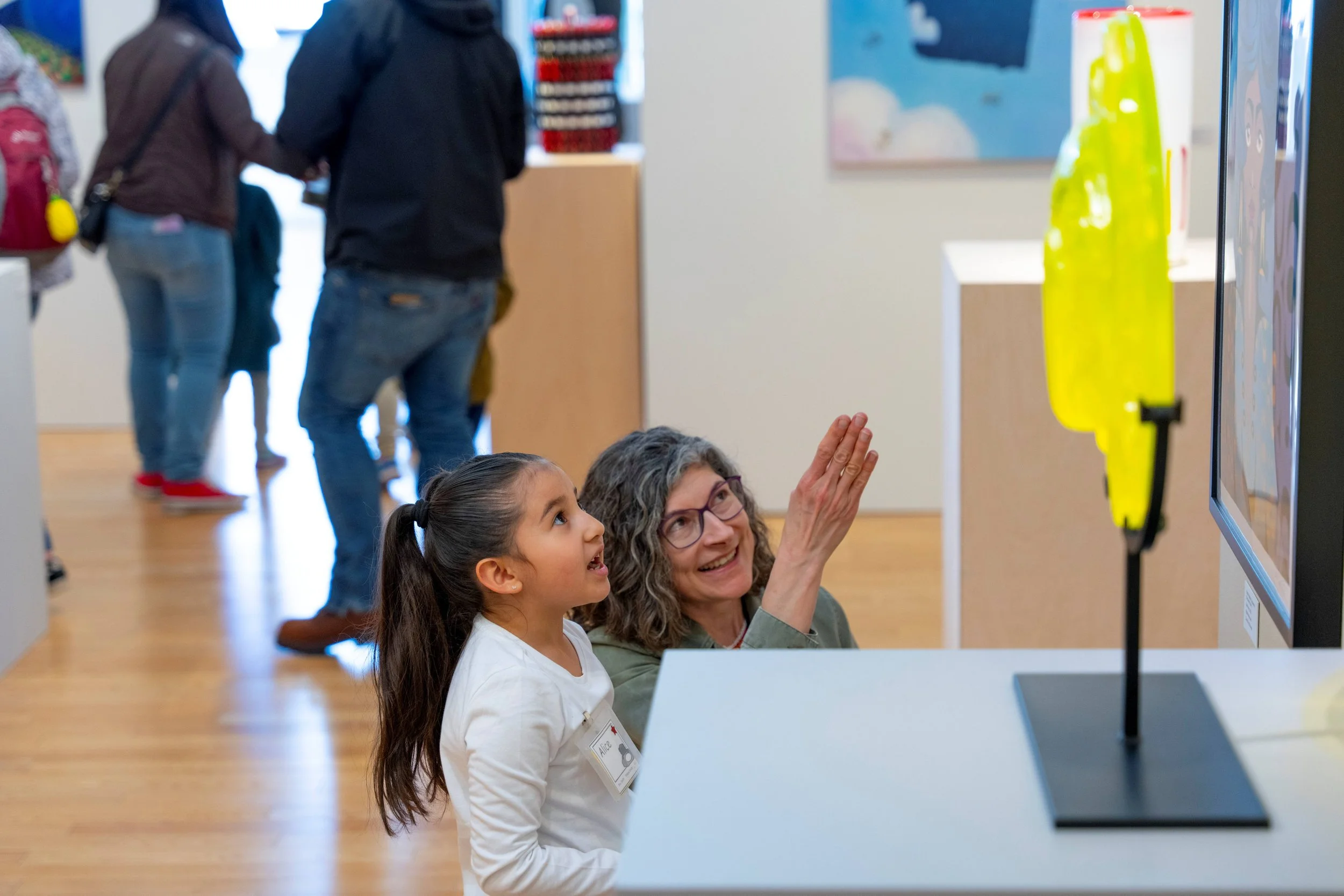
Spring Family Day at Bainbridge Island Museum of Art offers one of the most appealing kinds of community events: something thoughtful, family-friendly, and genuinely enjoyable without feeling overproduced. Taking place on May 16, 2026, from 11:00 a.m. to 5:00 p.m., this free event invites families across Bainbridge Island and beyond to spend the day exploring creativity, imagination, and connection in one of the island’s most welcoming cultural spaces. Designed for children ages 1 to 15 and the people who care for them, Spring Family Day creates an environment where kids can engage directly with art and storytelling while adults enjoy a relaxed, enriching outing that does not require extensive planning or a major budget. In a time when many family activities can feel expensive or overly scheduled, events like this stand out for their accessibility and simplicity.
What makes Spring Family Day especially appealing is its flexible drop-in format. Families are encouraged to arrive whenever it suits their schedule and stay as long as they like, making it an ideal option for parents balancing naps, mealtimes, or children with different energy levels and interests. Rather than asking families to commit to a rigid program, BIMA allows visitors to move through the museum at their own pace and shape the day around what works best for them. That thoughtful structure often makes the difference between a stressful outing and a memorable one. It also reflects an understanding that successful family programming should feel inviting rather than demanding.
Throughout the museum, children can take part in hands-on art stations, activity areas, and Storytime experiences that encourage participation and curiosity. These types of experiences are especially valuable because they allow children to learn through making, experimenting, and interacting with their surroundings. Instead of simply observing from the sidelines, young visitors become creators and explorers. For many families, that kind of active engagement is far more meaningful than passive entertainment. It also introduces children to museums as places where they belong, ask questions, and have fun.
The event will take place across multiple spaces within the museum, including the Orientation Gallery, Bistro, and Frank Buxton Auditorium, creating room for movement and a more comfortable flow throughout the day. For parents and grandparents, that means children can stay engaged without feeling confined, while adults can enjoy the setting and the sense of community around them. For anyone seeking a wholesome and well-designed Saturday activity on Bainbridge Island, Spring Family Day is an easy recommendation. It combines creativity, accessibility, and family connection in a way that feels both practical and special.
Cost, tickets and logistics:
Saturday, May 16, 11am-5pm
Bainbridge Island Museum of Arts (BIMA), Orientation Gallery Bistro Frank Buxton Auditorium, 550 Winslow Way E. Bainbridge Island, WA 98110
Full details here
Return to Full Calendar
Pacific Island Melanesian Heritage Celebration
As part of AAPI Cultural Days at Bainbridge Island Museum of Art, the Pacific Island Melanesian Heritage Celebration offers an opportunity to engage with living cultural traditions through community leadership, storytelling, and artistic expression. On Bainbridge Island, where local events often center on arts and outdoor life, this gathering brings welcome attention to the histories and contemporary voices of Melanesian and Pacific Islander communities. Rather than presenting culture as something static or distant, the program emphasizes traditions that continue to evolve and remain deeply connected to identity, land, language, and family. It is both a celebration and an invitation to learn.
One of the most meaningful aspects of this event is that it is community-led. That distinction matters. Events shaped by the people whose cultures are being represented tend to offer greater authenticity, nuance, and lived perspective. Instead of a simplified overview, attendees can expect experiences grounded in personal knowledge and intergenerational memory. The organizations involved—Melanesian Women Today, Fiji Women Association of Washington, and West Papua Campaign US—help ensure the evening reflects voices from within these communities.
The program highlights cultural expressions from Fiji, Vanuatu, and West Papua, each offering a different lens into the broader Melanesian world. Guests will experience Stori Telling, an oral tradition that carries family history, values, and ancestral knowledge across generations. In many Indigenous cultures, storytelling is not simply entertainment; it is a method of teaching, remembering, and sustaining community. The event will also feature Sand Drawing from Vanuatu, where symbolic designs traced into sand communicate stories, kinship systems, and relationships to place. It is a striking example of how art can function as language, map, and memory all at once.
Dance will also play a central role in the evening. Fiji Lewa Dance celebrates Fijian identity and connection to vanua, a concept often associated with land, people, and belonging. West Papuan Dance expresses cultural continuity, resilience, and sovereignty through movement. For visitors unfamiliar with these traditions, performances like these can broaden understanding in ways that books or lectures often cannot.
What makes this celebration especially valuable is its relevance today. It connects Bainbridge Island audiences with cultures whose histories span tens of thousands of years while underscoring that these traditions are not relics of the past. They are present, practiced, and meaningful now. For anyone interested in culture, community, or learning through lived experience, the Pacific Island Melanesian Heritage Celebration promises a thoughtful and memorable evening.
Cost, ticket, and logistics:
Sunday, May 17, 11am-2pm
Bainbridge Island Museum of Arts (BIMA), Frank Buxton Auditorium, 550 Winslow Way E. Bainbridge Island, WA 98110
Full details here
Return to Full Calendar
Strawberry Fields Forever: Picker Cabin Stories
Some events entertain, while others deepen a community’s understanding of itself. Strawberry Fields Forever: Picker Cabin Stories, presented during AAPI Cultural Days at Bainbridge Island Museum of Art, clearly belongs in the second category. This program turns attention to the people whose labor, families, and traditions helped shape the agricultural identity of Bainbridge Island during the mid-twentieth century. Through a short film and live discussion, the event brings forward voices that are essential to local history but not always widely heard. It is the kind of evening that encourages audiences to see familiar roads, farms, and landscapes with new perspective.
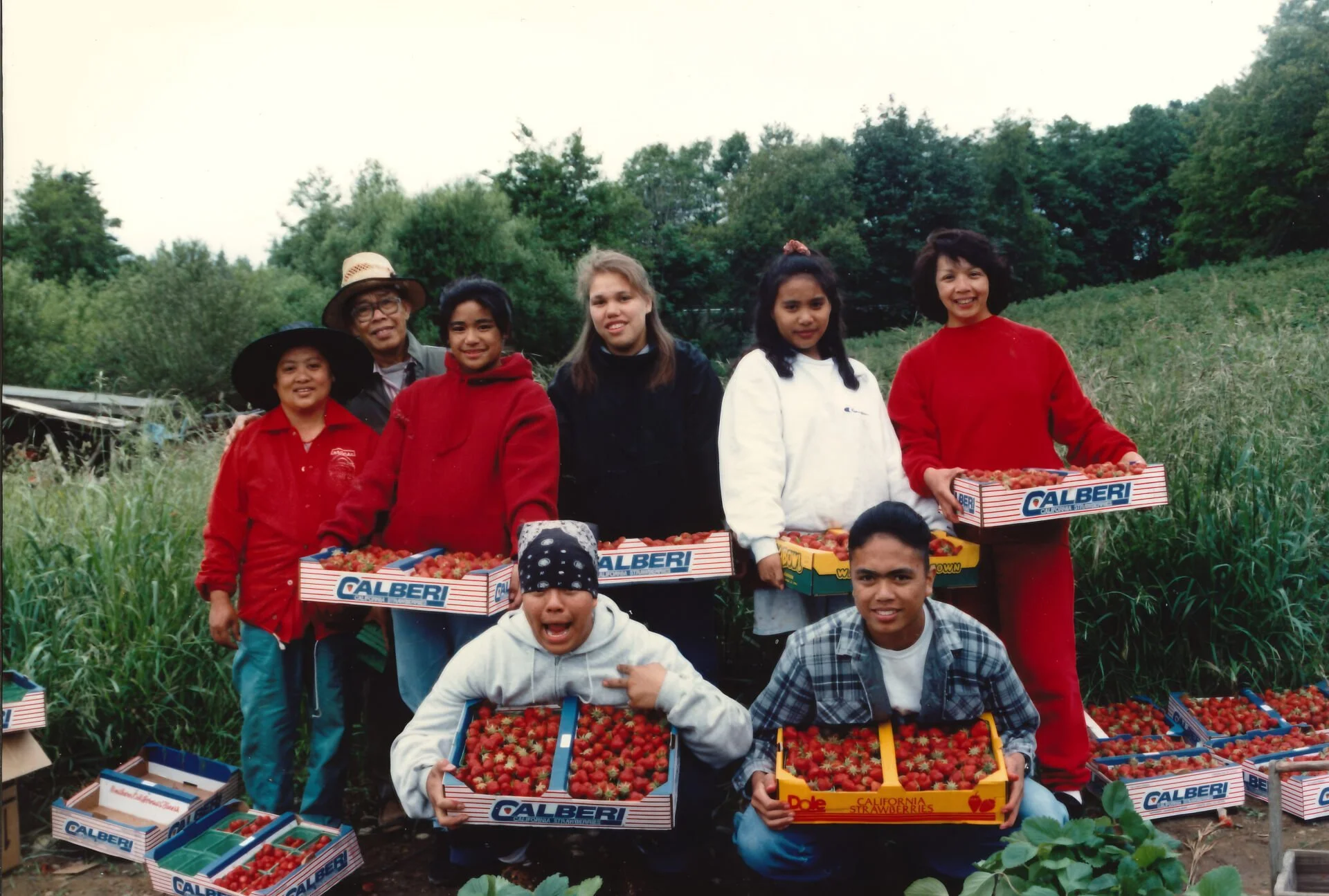
The focus of the film is the picker cabin, a practical structure that once housed workers and families involved in the island’s berry industry. Yet these cabins represent far more than seasonal shelter. They were gathering places, homes, and crossroads where cultures intersected through everyday life. The stories featured come from Indipino, Filipino, and Japanese farm children—now elders—who grew up within Bainbridge Island’s strawberry and raspberry farming world of the 1940s and 1950s. Their recollections help transform history from a list of dates into something tangible: meals shared, work completed, friendships formed, and communities sustained through hard seasons.
One of the strengths of this event is its emphasis on relationships across communities. The film reflects on First Nation families who traveled from Canada during berry-picking months, as well as Filipino workers who remained through fall, winter, and spring to help maintain the farms. These seasonal patterns reveal that Bainbridge agriculture was never an isolated local story. It was connected to migration, labor networks, and multicultural cooperation long before such ideas became common talking points. That context makes the evening especially relevant today.
The program also highlights several family farms, including the Corpuz, Oligario, Kitamoto, Koura, Rapada, and Suyematsu Farms properties. For longtime residents, these names may be familiar. For newer community members, they offer a map of the families whose work shaped the island’s rural character. Footage tied to farmer Akio Suyematsu adds another dimension by showing how agricultural knowledge continued to be shared into later decades.
After the screening, guests can hear directly from descendants and community participants in a live panel discussion, creating a rare opportunity to engage history in conversation rather than from a distance. The evening also includes Filipino and Japanese music, dance, and free strawberry shortcake, adding warmth and celebration to a reflective program.
For those who appreciate local history told through personal memory rather than textbook summary, Strawberry Fields Forever: Picker Cabin Stories should be especially worthwhile. It honors the people behind the landscape and reminds us that every community is built by many hands.
Cost, tickets and logistics:
Saturday, May 17, 2-4pm
Bainbridge Island Museum of Art 550 Winslow Way E, Bainbridge Island, WA 98110
Full details here
Return to Full Calendar

Ready to Make A Move?
Our team is committed to helping you achieve your real estate goals. Connect with us to receive a free consultation to learn about your options in today’s market and see how our executive package is the only way to maximize your ROI. With my background as a Marketing Executive, you’ll get custom market analysis and ongoing tracking, video story-telling with A/B tested marketing messaging, catered open houses, staging and design, and so much more.
With over $100M of real estate sold, ranked in the top 1% of realtors nationally, and voted #1 Best Realtor on Bainbridge Island in 2021 and 2022, I know what it takes to craft the perfect offer and land your forever home. I’ve had the honor of serving over 100 families in Bainbridge Island, Greater Seattle Area, the Eastside and beyond. Properties include single and multi-family homes, condos in both the busy city and calm suburbs, waterfront homes with exceptional views, estate listings, and investment homes anywhere from a couple hundred thousand to a million dollars–each property receives the same concierge experience.
Let us help you buy or sell your home. Reach out to our team today to get started.
